
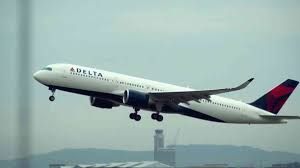

The diversion of Delta Flight DL275 to Los Angeles International Airport (LAX) quickly drew attention from travelers, aviation analysts, and safety experts. What began as a routine long-haul flight turned into an unexpected in-flight emergency that required swift decision-making from the flight crew. Although a diversion may appear to be a simple change of course, it is typically driven by serious operational, mechanical, or medical concerns.
Documenting incidents like these is essential for transparency and for strengthening aviation safety. DL275, originally scheduled for a smooth trans-Pacific journey, ultimately made an unplanned landing at LAX under urgent circumstances—a reminder of how modern aviation manages unexpected challenges.
Background of Delta Flight DL275’s Diversion to LAX
Flight Details
Delta Flight DL275 normally operates with the Airbus A350-900, a long-range, wide-body aircraft known for fuel efficiency, advanced safety features, and capacity for more than 300 passengers.
The flight departs from Detroit Metropolitan Wayne County Airport (DTW) and is bound for Tokyo Haneda Airport (HND). The route typically spans around 13 hours and is a major international connection for both business and leisure travelers.
About the Airline
Delta Air Lines maintains a strong reputation for safety and reliability, particularly on its international routes. Diversions on DL275 are uncommon, making this incident noteworthy. The airline’s modern fleet and maintenance practices typically ensure smooth long-haul operations.
The Incident: Why DL275 Diverted to LAX
Timeline of Events
After departing Detroit slightly behind schedule, DL275 climbed normally to cruising altitude. Several hours into the flight, while over the North Pacific, the cockpit crew noticed abnormal readings from a critical aircraft system. They immediately communicated with air traffic control and began following emergency checklists.
With limited alternate airports in the remote Pacific region, the pilots made the decision to divert.
Reason for the Diversion
Flight diversions can occur for many reasons, including:
- Medical emergencies
- Technical or mechanical issues
- Passenger disturbances
- Weather or safety concerns
In this case, DL275 experienced a mechanical issue involving the engine’s anti-ice system, which prevents ice buildup during high-altitude operations. A malfunction in this system poses serious risks, requiring immediate action and ruling out the possibility of continuing to Tokyo.
Crew Response
The pilots acted quickly and precisely:
- Monitored the affected engine systems
- Coordinated with air traffic control
- Requested priority landing at LAX
- Kept passengers informed
The cabin crew provided reassurance and support throughout the process, helping passengers remain calm.
Passenger Experience
Passenger reactions varied. Some travelers reported anxiety after the captain announced the diversion, while others expressed confidence in the crew’s professionalism. The descent and approach into LAX were handled smoothly, and the cabin remained orderly.
Flight attendants continued making announcements and assisting anyone who needed individual support, helping reduce confusion and stress.
Landing at LAX
Emergency Preparation
Once notified of the emergency diversion, LAX activated its standard procedures:
- Emergency vehicles positioned along the runway
- Ground crews stood by for potential medical needs
- A runway was cleared to ensure an uninterrupted landing
LAX’s facilities and experience with large international aircraft made it a suitable diversion point.
Safe Landing
DL275 landed safely at approximately 1:08 AM local time. After touchdown:
- Fire and rescue crews approached the aircraft as a precaution
- Maintenance teams began examining the affected engine
- Passengers remained seated until cleared to disembark
Post-Landing Procedures
At the Gate
Once parked:
- Passengers exited the aircraft normally
- Medical staff were available for anyone requiring assistance
- Maintenance crews began diagnostic checks
- Passengers were guided to rebooking services and hotel accommodations as needed
Airline Response
Delta quickly acknowledged the diversion publicly and internally, emphasizing its priority of passenger safety. The airline worked to rebook travelers, provide accommodations, and coordinate with engineers to investigate the mechanical issue.
Investigation
A formal review was launched involving:
- Delta engineering teams
- Rolls-Royce engine specialists
- FAA oversight
- Airport authorities
Initial findings pointed to an anti-ice system malfunction. Further analysis will determine whether procedural changes or hardware replacements are required.
Impact of the Diversion
Effects on Passengers
The diversion led to several immediate disruptions:
- Missed connections for passengers continuing on to Tokyo or elsewhere
- Overnight delays and extended layovers
- Mixed reactions—many praised the crew’s professionalism, while others voiced frustration over travel disruptions
Despite the inconvenience, no injuries were reported.
Operational Impact on Delta
The diversion also affected Delta’s operations:
- Scheduling ripple effects due to the A350 being taken out of rotation
- Crew duty-time complications
- Financial costs for fuel, unexpected airport fees, passenger care, and maintenance
Impact on LAX
LAX experienced temporary operational strain:
- Gate and runway adjustments
- Coordination among ATC, emergency services, and Delta staff
- Additional logistical support for passengers and maintenance teams
Public and Media Reaction
Social Media
The diversion generated considerable online discussion. Passengers shared photos and videos praising:
- The calm demeanor of the flight crew
- Clear communication
- Smooth coordination upon landing
Public sentiment was largely positive, emphasizing safety over inconvenience.
Press Coverage
News outlets reported on the mechanical issue, the successful diversion, and Delta’s handling of the situation. Most coverage focused on safety measures and the swift actions of the crew.
Understanding Flight Diversions
Why Flights Divert
Common causes include:
- Medical emergencies
- Technical failures
- Bad weather
- Security concerns
- Operational limits
Protocol During a Diversion
Airlines follow strict guidelines:
- Immediate communication with air traffic control
- Identification of the safest alternate airport
- Passenger support, updates, and accommodations
How Major Airports Handle Diversions
Large airports like LAX are equipped with:
- Dedicated runways for emergency arrivals
- Rapid-response teams
- Maintenance and passenger-care staff
Safety Lessons from DL275
Early Detection Matters
The crew’s quick identification of the issue prevented a potentially dangerous situation over remote oceanic airspace.
Training and Preparedness
The incident showcased the value of rigorous pilot and cabin crew training, as well as coordination with ground teams.
Confidence in Modern Aviation
Diversions are precautionary measures designed to protect lives. DL275 demonstrated the strength of today’s aviation systems, aircraft technology, and emergency protocols.
Conclusion
The diversion of Delta Flight DL275 to LAX was a strong example of aviation safety in action. A malfunctioning engine anti-ice system prompted pilots to make a critical but necessary decision, resulting in a safe landing and well-managed response from Delta and LAX personnel.
This event highlights essential truths:
- Safety always comes first
- Highly trained crews and prepared airports ensure effective emergency handling
- Thorough investigation of diversions helps improve future operations
While the diversion disrupted travel plans, it ultimately reinforced trust in modern aviation and the systems designed to protect passengers and flight crews alike.
